Moving with Packing in Qatif: The Materials Used for Each Item and the Stages of Work Room by Room
Packing is what lets furniture arrive as it left. It is not wrapping a piece in one cover; it is a system that begins with choosing the right material for each item, passes through arranging and labelling cartons, and ends with the way things are carried in the truck. Here we explain how packing is carried out in Qatif homes, what you do to make the work quicker and more accurate, and when partial packing is enough.
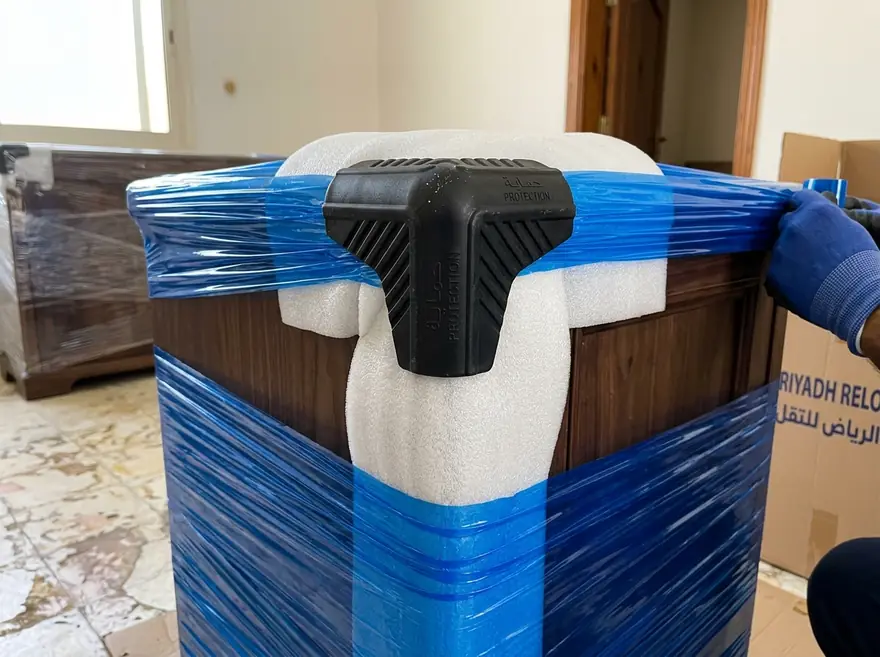
Packing is a protection system, not a single cover
When we say packing we mean two things: protecting the piece itself from scratches, knocks and dust, and organising small items into tidy cartons that can be carried and opened easily. Both need different materials and a different method.
A sofa needs a wrap that keeps dust out and protects the fabric, a mirror needs a rigid frame and reinforced corners, and dishes need cartons with dividers and paper separating each piece. This variety is what we arrange before work starts, not during it.
The materials we use and why
Each material has a specific job, and choosing by item is the secret of good packing.
Blankets and soft covers
Protect polished timber surfaces from scratches during carrying and loading.
Clear stretch film
Holds covers in place and protects fabric from dust and humidity without sticking to it.
Bubble wrap
Absorbs shock around glass, ornaments and small appliances.
Packing paper
Separates each small piece from the next and prevents rubbing inside the box.
Strong cartons with dividers
Organise dishes and delicate sets and stop them moving on the road.
Rigid corners and boards
Support mirrors, glass cabinets and the ends of furniture.
Why Qatif homes need special care in packing
Qatif is a coastal city, and high humidity and dust affect fabric, wood and paper. So isolating furniture from the outside air is part of good packing, and we wrap a piece inside the house before it goes out into the street.
Many homes have wide majlis rooms, hospitality sets and keepsake dishes that need cartons and dividers. And in districts with narrow lanes the wrap must withstand rubbing during a longer hand carry.
The stages of packing from sorting to sealing
A fixed sequence applied in every room so nothing is missed.
Sorting
Decide what is wrapped and what is left or sold, and set personal items apart.
Preparing materials
Decide the type of wrap or carton for each item and prepare the quantity.
Wrapping
Wrap pieces and fill cartons in order of weight and fragility.
Labelling and numbering
Write the room name, the contents and a fragile mark on every box.
Loading
Place heavy at the bottom and fragile on top and secure the load.
Opening in the new home
Distribute cartons to rooms according to the labels.
Packing the living room and majlis
Sofas and seating are covered with a cloth layer and then a stretch wrap, with feet and wooden corners guarded by foam pieces. Mirrors and ornaments are wrapped in bubble sheet and placed in suitable boxes or between rigid boards.
Fragile sets such as cups and plates are wrapped piece by piece in special paper and placed in strong cartons with inner dividers, marked fragile with the room name. These sets are among the things most asked about in Qatif homes with large majlis rooms.
What gets packed with what
A quick summary of the commonest items.
| Item | Protective material | Note |
|---|---|---|
| Sofas and majlis seating | Barrier cloth and stretch film | Covered before going out into open air |
| Dishes and hospitality sets | Packing paper and cartons with dividers | Each piece on its own |
| Mirrors and glass | Bubble wrap and rigid boards | Carried upright |
| Clothes and linen | Cartons or strong bags | Without overloading the box |
| Books and papers | Small cartons | Weight spread so it is easy to carry |
Packing the kitchen and its utensils
The kitchen holds more small items than any other room. We start with what is rarely used, then everyday utensils, and last what you need on the first day after the move. Heavy items go into small cartons so none becomes too heavy.
Sharp tools are wrapped with care and marked, bottles are stood upright with dividers, and food is checked: what will not travel is left and what will travel is kept in sealed containers. Electrical appliances are emptied and dried before being wrapped.
Packing bedrooms and clothes
Clothes travel in cartons or strong bags, and hanging items may travel in wardrobe cartons that keep their shape. Mattresses are wrapped in a full cover that guards them from dust and humidity and are carried with care.
We recommend leaving personal items, papers and jewellery out of the load. Drawers are emptied of heavy contents and taped so they do not slide while carried. The parts of dismantled beds are numbered and their screws gathered in labelled bags.
Numbering and labelling: a system that saves hours
Each carton carries the name of the room it is going to, a number, and a mark showing its fragility or weight. With this the crew in the new home knows where to put it without asking.
You can keep a short list of numbers and rough contents. If you look for something days later you will know which carton it is in. This simple system saves hours of searching and random opening after the move.
How the load is arranged inside the truck
Heavy goes first at the bottom near the front of the body, then medium, and last the fragile on top. Pieces are secured with straps and dividers so they do not slide on turns and braking.
Items that will come off first are placed near the door for easy reach. We do not place cartons on pieces unsuitable for loading, and we do not leave big gaps that allow movement. These unseen details are what prevent scratches on the road.
Heat and humidity during packing and carrying
On hot days cartons and furniture are not left in the sun and we load quickly. On humid days we choose materials that do not trap moisture inside for long and avoid wrapping damp timber.
If you will store some items, choose a dry place. Good packing does not stop humidity entirely but reduces its effect greatly if done well, and it guards against the dust that accompanies some days in the region.
What you do to make the packing faster
Sort your belongings and get rid of what you do not need before the date, because every item fewer means less to wrap. Empty drawers and cabinets of heavy objects, and keep important papers, jewellery and medicine in a bag with you.
You can wrap light sturdy items such as books and clothes and leave the fragile to the crew. Tell us about pieces with special value so we give them closer packing. The tidier the home, the quicker and less error-prone the process.
When partial packing is enough
If your belongings are few and sturdy, wrapping only the fragile items and handling the rest yourself may be enough. If you are moving a few pieces you may not need many cartons.
But do not economise on wrapping fabric, glass and appliances. Tell us what you intend to pack and what you want us to pack, and we settle the right scope with you. Partial packing is a legitimate choice provided it is clear what the agreement covers and what it does not.
Packing large pieces that do not go in a carton
Wardrobes, beds and large tables are not put in cartons. They are covered with sheets and blankets, their edges fixed with rigid corners, and wrapped with stretch film. Handles and feet receive their own protection.
If a piece will be dismantled, its parts are wrapped after dismantling and gathered in bundles. Glass panels in display units are protected with boards before any wrapping. This variety explains why good packing needs many materials, not just one.
Opening and arranging in the new home
On arrival cartons are distributed to rooms according to their labels. We begin with the essential rooms: the bedroom, the kitchen and the bathroom, then the rest. Fragile cartons are opened in your presence so you can confirm that the contents are intact.
We tell you where to dispose of extra packing material, since some can be reused. If you prefer us to leave the cartons closed so that you open them yourself, tell us and we will only place them in their rooms.
Common packing mistakes that can be avoided
Among the commonest: overloading one carton until it tears, using weak used cartons for fragile items, leaving gaps inside a carton that allow movement, not labelling cartons, and wrapping fabric directly in plastic for a long time.
Also placing heavy things over fragile ones and leaving the packing to the last night. Good packing needs time, and the earlier you start with non-essential items the calmer moving day will be.
What should be written about packing in the agreement
State whether the service includes full or partial packing, who supplies the materials, whether cartons are counted in the quote and what happens to surplus materials. Name fragile and valuable pieces.
This record leaves no room for different understandings. For more on documentation see our page on a furniture moving company in Qatif, and for general details see our page on movers in Qatif.
Common questions about moving with packing in Qatif
What people ask about packing materials and stages.
What materials are used in packing?
Do I need everything packed?
How do you handle fragile dishes?
Does packing protect against humidity and dust?
Can I pack some things myself?
Are cartons included in the quote?
How will I know where each carton is after the move?
How do I request a quote that includes packing?
Related pages
More steps in planning packing and moving.
Movers in Qatif
Full service guide and the Qatif areas we cover.
Furniture moving in Qatif
How each type of furniture is protected.
Moving with assembly in Qatif
Dismantling and rebuilding.
Furniture packing service
Packing across the Eastern Province.
Furniture packing in Dammam
Packing in the city of Dammam.
Request a quote
Send your details and we prepare a breakdown.
Moving prices in Qatif
Moving prices in Qatif: cost factors specific to the governorate, such as narrow lanes in older districts, di…
Want tidy packing for your home in Qatif?
Send photos of your rooms and we will tell you the materials and stages and what you can prepare before the date.