Furniture Moving in Qatif: How Each Piece in Your Home Is Protected According to Its Material, Size and Handling
Furniture is not one lump. A sofa differs from a wardrobe, a mirror differs from a marble table, and each material has its own way of being wrapped and lifted. In Qatif, where coastal humidity and homes of very different access shape the work, knowing the type of each piece is part of the plan. Below we walk through the common kinds of furniture and say what protects each one, what gets dismantled, and what you can prepare before the crew arrives.
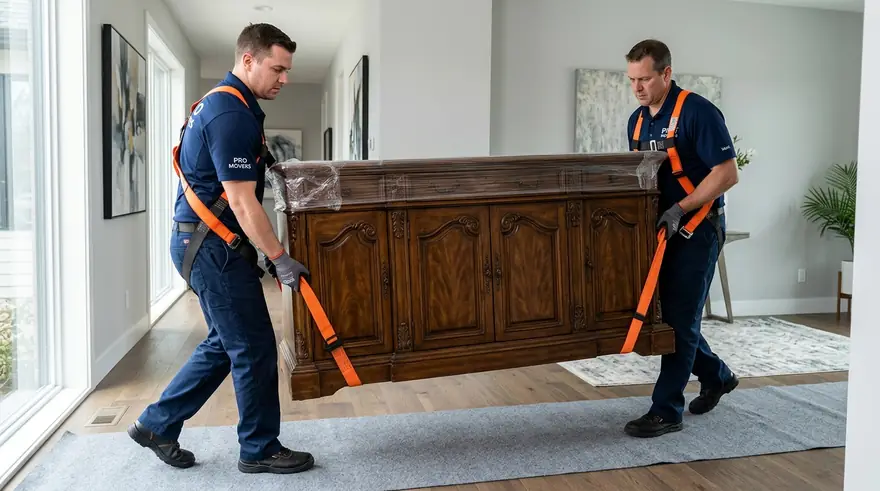
Why furniture moving differs from moving general belongings
Small items go into cartons and get arranged. Furniture is different: large pieces with frames, hinges, polished surfaces and fabric. Pressure at the wrong point or rubbing on a corner can leave a mark that never goes away, because a scratch in polished wood does not wipe off.
So the right job starts by sorting pieces by material, size and whether they can be dismantled. Then comes the choice of protective materials and lifting method for each class, and an order of loading in which heavy pieces never press on fragile ones.
Five categories of furniture and what each one needs
A practical grouping we use when we talk to a customer before quoting.
Sofas and majlis seating
Covered with a cloth layer then a protective wrap, with wooden bases and feet protected and lifted so the frame does not twist.
Wardrobes and closets
Doors and shelves come off when needed, drawers are secured, and the timber is guarded with thick edging.
Beds and bedroom sets
Frames are dismantled, screws and parts are labelled by number, and mattresses are wrapped against dust and humidity.
Mirrors, glass and marble
Protected with rigid boards and corner guards and moved upright, with careful judgement of marble weight.
Appliances and screens
Wrapped with shock-absorbing material, kept upright and separated from heavy loads, drained where required.
What gets dismantled and what moves as it is
Not all furniture needs dismantling. Solid pieces of reasonable size may move whole if they clear the doors and corridors. Large wardrobes and beds with joined frames generally need to come apart, both to protect them and to make lifting possible.
The practical rule: if taking a piece apart lowers the risk of damage or lets it pass the entrance, it helps. If it weakens the piece or strains its joints, it is better moved whole with extra protection. We decide piece by piece after seeing your photos.
From sorting to settling in its new place
A simple sequence the crew applies to every room.
Sorting
Decide which pieces move and which are sold or left, and estimate volume.
Protection
Wrap surfaces and corners and cover fabrics with suitable materials.
Dismantling and numbering
Take apart what is necessary and bag the screws in numbered bags per piece.
Loading
Place heavy items first and fragile last, and secure them against movement.
Unloading and rebuilding
Bring pieces to their rooms, rebuild what was dismantled and adjust doors and hinges.
Review
Check surfaces and drawers with the homeowner before closing the job.
Sofas and family majlis seating in Qatif homes
Many homes in Qatif have wide majlis rooms with long rectangular sofas and floor seating. These are large but relatively light, and the risk lies in exposed fabric more than in breakage, since fabric suffers from dust, humidity and rubbing.
We cover them with a barrier layer that keeps dust from sticking, protect the corners and wooden feet, and avoid lifting by fragile edges. Floor cushions with embroidered covers are separated and wrapped on their own.
Large wardrobes and bedroom closets
A multi-door wardrobe is usually made of joined sections. If it is dismantled with care it goes back together as it was, and if it is carried assembled its joints may twist. We prefer to lift off doors, remove movable shelves and tape drawers so they do not slide.
Heavy closets move by sharing the load among several people, or with supporting equipment where needed, while floors and walls along the path are protected. We check the hinges before moving and record any old marks already present.
Material and the right protection
A summary of the most common materials and what suits them.
| Material | Main risk | Suitable protection |
|---|---|---|
| Polished wood | Scratches and rubbing | Soft blanket and rigid corner guards |
| Fabric and foam | Dust, humidity and tearing | Barrier wrap and no dragging on floors |
| Glass and mirrors | Breaking under pressure or vibration | Rigid boards, upright carry, firm securing |
| Marble | Breaking from weight or impact | Reinforcement, multi-person lift, soft base |
| Metal and aluminium | Scratches and rust in humidity | Barrier wrap and drying before packing |
Kitchen appliances, fridges and washing machines
Large appliances need preparation before moving: empty and defrost the fridge and let it dry, disconnect the washing machine and drain its hoses. They travel upright as far as possible with doors secured.
Complex electrical or plumbing disconnection needs a qualified technician. We can coordinate with you on that without promising anything beyond our own service. We tell you what we handle and what you need to arrange.
Mirrors, decorative pieces, glass and marble
These are what worry people most, and the remedy is craft, not exaggeration. They are wrapped in shock-absorbing material, framed with a rigid border, moved upright with nothing placed on top, and lifted by at least two people when large.
Marble tables need a prior check for old cracks because they raise the risk of breaking, and we document what we see before lifting. If a piece is valuable or old, tell us so it can go into a special plan.
Protecting the home itself during the carry
A move can damage more than the furniture: it can scratch floors, walls and doors, particularly in narrow hallways. So we cover floors along the carrying route and guard wall corners when needed.
If you have marble or delicate parquet floors, show them in your photos. We then choose trolleys and covers that suit them and plan the route through the house.
Humidity and dust: their effect on furniture on the road
Coastal humidity makes fabric absorb smells and dust quickly, and timber suffers when left exposed. We wrap pieces inside the building before they go out into open air.
On hot days we do not leave furniture in the sun for long, and we load the truck so that sensitive pieces go on last and come off first where possible.
What you can prepare before the crew arrives
Empty drawers of heavy or fragile items, take down curtains and hanging lights, and clear appliances of their contents. Photograph furniture before the carry if it has old marks such as scratches or cracks.
Decide which pieces you do not want moved and keep them out of the hallways so they do not get mixed in. The tidier the home, the faster and safer the work.
Large furniture and narrow entrances
A big piece may not pass a narrow door or a turn on the stairs. So we measure the entrance before loading where needed, and decide whether to dismantle the piece, lift it by another route, or turn it at a special angle.
On upper floors we check whether a lift can be used and how big it is. If the stairs are unavoidable, we assign a larger crew to keep balance and safety.
Bedrooms: taking beds apart and numbering parts
Wooden and metal beds are usually taken apart into a headboard, footboard, two sides and a base. Screws and bolts are collected in a sealed bag marked with the piece name, and matching numbers are stuck on the parts.
This numbering makes rebuilding easier after arrival and cuts mistakes. Mattresses are wrapped to guard them from dust and humidity and carried flat or upright depending on type.
Reassembly and adjustment in the new home
On arrival we place pieces in their rooms, then rebuild what was taken apart and check that it is straight. Hinges and doors are adjusted, drawers fixed, and beds tested for stability.
If a piece needs wall fixing or a special adjustment that requires extra equipment, we tell you the limit of what we handle and arrange the alternative with you.
What to tell us about your furniture before we set the quote
State the number of rooms, the number of wardrobes and beds, and any piece that is huge, heavy or valuable, and whether some items need dismantling or equipment. Send photos that show dimensions as best you can.
This gives us a clear picture of crew size, materials and truck size, so the quote is built on your actual furniture and not on a general guess.
How you know the furniture was moved with care
Signs of care include protective wrap still intact on arrival, numbered parts that rebuild easily, floors and walls untouched, and doors and drawers working as before. If anything needs correcting, it is handled while the crew is present.
For general details of the service see our page on moving in Qatif, and for a detailed quote send us photos of your largest pieces.
Common questions about furniture moving in Qatif
What people usually ask about protecting furniture and arranging the move.
Must all furniture be dismantled before moving?
How do you protect sofas from dust and humidity?
Do you move large multi-door wardrobes?
What should I do with the fridge and washing machine?
Are marble and mirrors moved safely?
What if a piece will not fit through the door?
Do you protect floors and walls?
How do I request a quote for furniture only?
Related pages
More steps in planning furniture moving in Qatif.
Movers in Qatif
Full service guide and the Qatif areas we cover.
Moving company in Qatif
How to choose the right provider and what to ask.
Moving with packing in Qatif
Packing materials and stages in detail.
Moving with assembly in Qatif
Dismantling and rebuilding step by step.
Furniture assembly service
Assembly across the Eastern Province.
Request a quote
Send your details and we prepare a breakdown.
Furniture moving in Saihat
Furniture moving in Saihat: how we protect wood, leather, fabric, glass, marble and appliances during a move,…
Pickup movers in Qatif
When a wanit is enough
Want a protection plan for your furniture in Qatif?
Send photos of your largest pieces and we will suggest what to dismantle, what to move whole and how each piece is protected.