Furniture Moving Company in Jubail: How the Agreement Is Written, Handover Recorded and Each Piece Logged
Most disputes in furniture moving do not arise from the breakage itself but from the lack of anything proving the condition of the piece before the move and what was agreed. The family says the wardrobe arrived scratched, the company says it was already, and nobody has proof. All of it can be avoided with a few simple steps taken before the first worker lifts anything: a written agreement, a record of the condition of pieces, photo evidence and an orderly handover. This page explains to anyone looking for a furniture moving company in Jubail how that framework is built, what each side writes and how the handover works at unloading so the job ends without a quarrel.
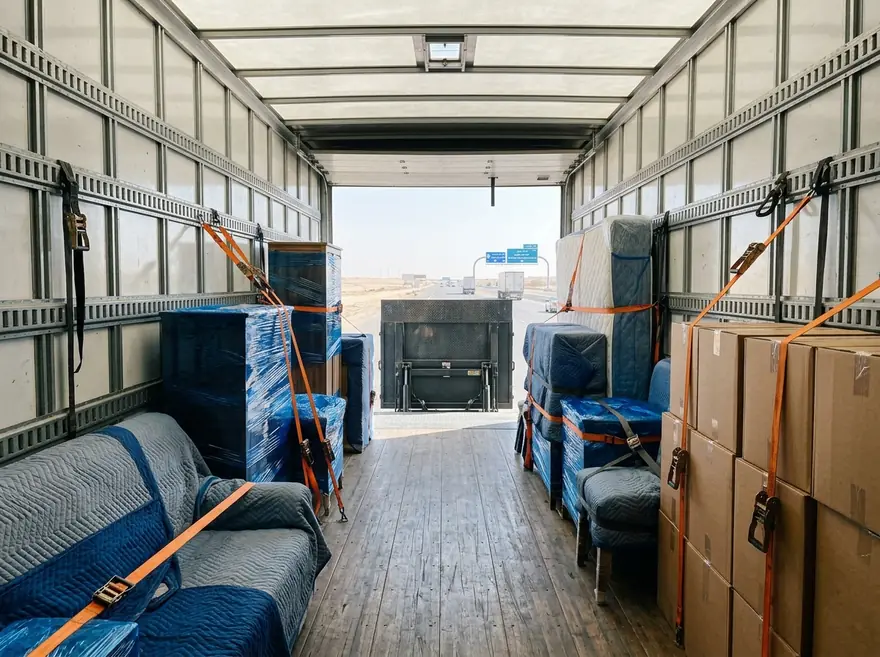
Why good moving starts with a page, not a truck
The page here is not bureaucracy; it is a shared memory between two parties who will pass through a busy day together. When the agreement states what will be moved, how, when and by which crew, each side returns to it if their recollection differs. When the condition of the pieces is recorded before loading, any possible damage can be pinned down and dealt with instead of becoming one word against another.
A serious company is not annoyed by writing; it prefers it, because it protects the company as well as you.
What the written agreement covers
A few items are enough: the addresses of both homes, floors and lift, a short list of the large furniture, the date and arrival time, crew size and vehicle type, what the price includes in dismantling, assembly and wrapping, how any damage is handled and how payment is made. It need not be a long contract; a clear WhatsApp message or a written offer serves.
If something differs from what was agreed on the day itself, stop and write the change before carrying on, because a spoken change disappears.
The furniture list: how to write it
Write a list of the large and delicate pieces and for each give the name, room and short condition: sound, old scratch, crack or missing part. You do not need every cup and spoon, only items whose value or fragility is higher: beds, wardrobes, sofas, tables, appliances, mirrors and screens. Number the pieces so they are easy to check.
With the list ready before the date the crew starts faster and avoids argument over a piece that was never there.
What gets documented and how
General guidance, settled by the size of the move.
| Item | How it is recorded | When | Who keeps it |
|---|---|---|---|
| Large pieces | Photos from all sides | Before loading | You and the company |
| Valuable pieces | Close-ups and a list | Before loading | You |
| Already-scratched pieces | A photo and a note of condition | Before loading | You and the supervisor |
| Appliances | Photo of the label and condition | Before loading | You |
| Any new remark | A photo and an immediate note | At unloading | You and the supervisor |
The table is general and does not replace good judgement in each case.
Photographing before loading
Photography is the cheapest and quickest insurance. Photograph each large piece from its sides in good light, zoom in on any scratch or crack already there, photograph appliances and screens front and back and photograph floors and walls if you are handing back to a landlord. Keep the photos in one folder, numbered to match the list, and send a copy to the supervisor if you can.
It helps if the supervisor looks at the photos with you and agrees the recorded condition is correct before loading begins.
The handover record at the new home
At unloading do not settle for saying fine. Walk past each piece with the supervisor, compare it with the list and photos and write your remarks at once, before any worker leaves. If a new scratch appears, photograph and record it in the supervisor's presence, and if a piece is missing note it immediately. Ask the supervisor to sign or reply to your note.
Recording on the spot makes resolution far easier than objecting days later.
Who is responsible for what
Agree before starting what the crew covers and what it does not. Pieces wrapped by the crew differ from pieces you wrapped yourself, and delicate pieces you did not mention differ from those declared. If you have a piece that needs special handling, say so plainly and record the company's answer. Do not assume that everything is covered by what was never stated.
This is not distrust of the company; it means each side knows its limits and works with ease.
Dismantling and assembly in the agreement
The offer should state what will be dismantled and rebuilt, in which home, by whom, and whether the time is included or charged by the hour. If some furniture is fixed to the wall or built in, decide before the day what comes out and what stays with the home. Dismantled pieces are numbered and their screws kept.
See our page on furniture assembly and how the carpenters work for more.
Wrapping: what is included and what is not
Ask whether wrapping materials are included or a separate item, who does the wrapping and what is usually left unwrapped. Some firms wrap large furniture and leave crockery to the owner; others wrap everything. Ask for the offer to say so. If you own expensive pieces, request special wrapping in writing.
Clarity before loading prevents the surprise of finding the crockery unwrapped when you assumed it was included.
Dealing with damage if it occurs
If damage occurs, what matters is a clear path: immediate photographs, a note with the supervisor, an assessment of what can be repaired and then an agreement on repair, compensation or another outcome. Ask the company before you start how it deals with it, because a firm without a clear answer will not have one after the damage either. Do not expect perfection from any company, expect clarity.
If the damage is to an expensive piece, keep everything connected with it: purchase receipts if you have them, photographs and messages.
Payment and documents
Agree the time and method of payment before starting and avoid paying a large sum in advance before you are sure of the company. A small deposit at booking is usually enough if one is needed, with the rest after a sound handover. Ask for proof of payment and keep messages, the offer, the list of pieces and the photos together in one place.
Organised documents settle most disagreements in minutes.
The district and building in the agreement
Naming the building and district in the agreement is not a detail. Old Jubail and the Industrial City have different entry and parking rules, and the presence or absence of a lift changes the crew and the time. Write down the floor, lift, entry restrictions and parking point, because these are what change the price if they differ on the day.
If the home has new obstacles that were not mentioned, tell the company before the appointment and not on the day.
Date and arrival time
Write down the expected arrival time and who calls if the crew is late. In Jubail the housing office may control permitted moving hours, so make sure the appointment falls inside them. If you want slack, ask for a time window rather than an exact hour, but agree that it is limited and known.
Unannounced delay is what spoils moving day most, so record how delay is communicated.
Valuables and documents
What does not travel on the load should be named: official papers, jewellery, cash and small expensive devices. Agree that they stay with you and are outside the moving responsibility. Ornaments and paintings are recorded in the list and wrapped separately.
Check it all after unloading before the crew leaves.
Signs of an organised company
An organised company asks for photos, writes the offer, asks about the building, knows who will attend and tells you what you need to prepare. It accepts that the condition of pieces be recorded and answers your question about damage without dodging. A company that says do not worry, all is fine, without detail should be asked to write it down.
The organisation you see before the move usually shows during it.
Common mistakes in agreements with movers
Mistakes include relying on spoken words, not photographing pieces before loading, not writing down who wraps, not stating the floor and lift, signing a receipt before checking the pieces and paying a large sum in advance. Another is hiding a fragile piece to save cost and then objecting when it breaks.
The fix is to write, photograph and check before you sign.
After handover: follow-up
After the crew leaves, walk the rooms again at leisure because you may notice what escaped you in the rush. If a new remark appears, send it to the company at once with photos. Keep the supervisor's number and the chat for several days. A company that cares about what comes after handover shows seriousness that reaches beyond moving day.
Do not throw away large protective material until you are sure everything is in good condition.
How the relationship with a moving company runs from agreement to handover
A general sequence that protects both sides.
Written agreement
Date, crew, vehicle and what the price includes in a message or offer.
List of pieces
Large and delicate pieces with a short note of condition.
Photos before loading
Pictures from the sides and close-ups of any existing scratch.
Supervised work
Dismantling, wrapping and carrying proceed under a supervisor holding the list.
Check at unloading
You go past each piece and record any remark in the supervisor's presence.
Follow-up
You review the rooms again and report anything new with photos.
Frequently asked questions about agreements with a furniture moving company in Jubail
Short answers to what people ask when documenting a move.
Do I need a formal contract?
Should I photograph furniture before loading?
What goes in the furniture list?
When do I record remarks?
Who does the wrapping?
Should I pay in advance?
What if damage appears?
How do I get a written offer?
Related pages for agreeing with a moving company
Learn more about our services in Jubail and what connects to them.
Movers in Jubail
Main page for moving services across Jubail
Moving company in Jubail
Questions before hiring
Furniture moving in Jubail
Protecting each type of furniture
Furniture packing in Jubail
Materials and wrapping method
Furniture moving company in Dammam
Agreeing with a mover in Dammam
Furniture moving company in Khobar
Agreeing with a mover in Khobar
Moving guarantee terms
Guarantee terms in the Eastern Province
Request a written quote
Send your details for a clear estimate
Furniture moving company in Qatif
Agreement, handover and records in Qatif.
Moving with assembly in Jubail
Moving with furniture assembly in Jubail: how bedrooms, kitchens and wardrobes are dismantled a.
Apartment movers in Jubail
Apartment moving in Jubail: how flats are moved from upper floors or with no lift, coordinating.
Moving company in Al Ahsa
Moving company in Al Ahsa: how we serve Hofuf, Mubarraz, Al Uyun, Al Tarf, Al Omran and Al Jafr, what changes…
Want a clear agreement for moving your furniture?
Send both addresses and photos of your pieces, and we will send a written offer covering the date, crew and what the price includes.