Furniture Movers in the Eastern Province: Pack and Label Room by Room
The hardest moment after a move is not carrying furniture but hunting for the carton with the phone charger or the kettle. This page explains our room-by-room method for furniture moving in the Eastern Province: what is packed first, how cartons are colour-coded, and what goes in an essentials bag so your new home is comfortable from the first hour.
Why we move furniture room by room instead of piece by piece
When furniture is moved without a system, cartons and pieces turn into one big pile and you do not know where to start. The room system solves that at the root: each room is inventoried, wrapped and numbered on its own, so the home becomes small units that are easy to follow, and the unloading crew knows exactly where each piece belongs.
In furniture moving across the Eastern Province we deal with varied homes: flats in towers in Al Khobar and Dammam, villas with large majlis rooms in Dhahran and Jubail, and family houses in Qatif and Al-Ahsa. Although the shapes differ, the logic is the same: begin with the least-used rooms, finish with the kitchen and main bedroom, and number everything with a system that never changes.
Room order: what to pack first and what to leave until last
This order suits most homes, and you can adjust it for your date and daily needs.
| Room | When to start | Main contents | Note |
|---|---|---|---|
| Storage and side rooms | First | Seasonal items, old boxes and tools | Sort and discard before packing |
| Guest room and majlis | Second | Sofas, ornaments, tables and rugs | Protect leather, wood and glass with suitable layers |
| Children's rooms | Third | Beds, toys and schoolwork | Keep what children need until the end |
| Living room | Fourth | TV, sofas, bookcase and tables | Move the TV upright and wrapped in doubled materials |
| Kitchen | Second to last | Crockery, appliances, heavy and fragile tools | Wrap fragile items separately and keep daily cooking items |
| Main bedroom and bathroom | Last | Bed, clothes and daily-use items | Prepare the first-night bag before wrapping |
If your move is completed in one day, the crew wraps several rooms in parallel, but the same order still decides what is loaded first and what comes off first.
How each room is handled
Every room has its own nature and risks. These are the main points we watch.
Living room and majlis
Large pieces with high value: sofas, ornaments, the TV and rugs. Sofas are covered and legs protected, the TV travels upright, and rugs are rolled and tied after cleaning.
Bedrooms
Beds and large wardrobes are taken apart when needed, mirrors wrapped separately, bedding bagged, and screw bags numbered to match the room. See bedroom moving.
Kitchen
It mixes fragile, heavy and wet items, so it needs careful sorting: glassware wrapped one by one, knives guarded, and appliances emptied and dried before packing.
Bathroom
Toiletries and liquids are closed tightly and placed in leak-proof bags, carried in a separate carton away from fabrics and paper.
Children's rooms
Toys go into numbered boxes, beds are taken apart with care, and the child's daily items stay in a separate bag you carry yourself.
Entrance and corridors
Shoes, coats, mirrors and shelves are left to the very last so entering and leaving stays possible all day.
Colour-coding cartons: a simple method that saves hours
The idea is that each room gets a colour and a number. You put a green label on kitchen cartons, blue on the main bedroom, yellow on the children's room, and so on. On each carton you write its number and a short description, and keep a simple list linking each number to what is inside.
In the new home you put a sheet at each room door in its colour, so the crew knows where to put each carton without asking you every time. The method saves the family hours of sorting and reduces the chance of cartons going missing or reaching the wrong room.
- Choose a colour for each room and use labels or coloured tape.
- Write the carton number and contents on two different sides.
- Keep a simple list: number, room, contents, fragile?
- Mark fragile or heavy cartons that need care.
- Hang the colour sheet at each room door in the new home.
Six steps to pack a whole room
You can apply them to any room in the home in the same sequence.
Quick sorting
Split the room into what will move, what will stay and what will be donated. Every item you drop lightens the load.
Empty drawers and shelves
Empty drawers and shelves into cartons and leave wardrobes ready to be taken apart or carried depending on type.
Wrap fragile pieces
Wrap glass, mirrors and ornaments in paper and bubble wrap and place them in right-sized cartons with gaps filled.
Wrap large furniture
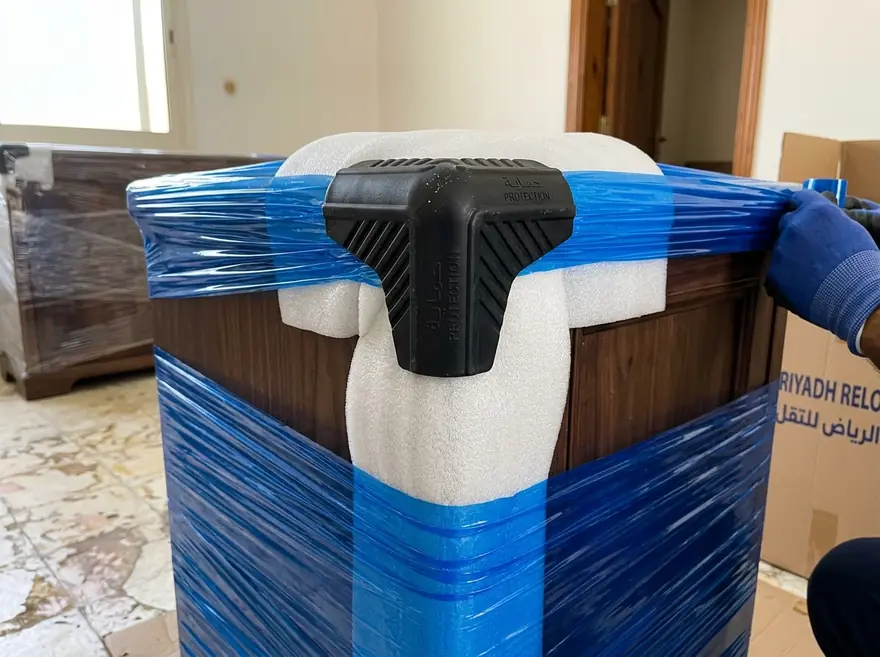
The crew covers large furniture in suitable layers and guards edges and corners before lifting. Learn about the [[packing system|/en/packing-system/]].
Number and record
Put the label on every carton and piece and record its number, contents and room on the list.
Close the room and confirm
After everything is out, walk the room and open cupboards to confirm they are empty before moving on.
The kitchen: the room that needs the most sorting before packing
The kitchen brings together the fragile and the heavy, the wet and the dry, the sharp and the smooth, so it needs a more careful method than other rooms. Start with food: discard open and expired items, put sealed dry goods in cartons, and empty and switch off the fridge and freezer well before the move.
Then move to crockery: plates are wrapped singly or stood upright with paper dividers, cups and glasses are stuffed with paper inside, and knives are guarded and the carton marked sharp. Small appliances such as blenders and microwaves are cleaned, dried and put in their original boxes if you have them. For large appliances see our appliance and TV moving page.
- Start with food and discard the expired and opened.
- Wrap plates and cups singly or with paper dividers.
- Write fragile and sharp on the right cartons.
- Keep coffee and tea items and first-night needs in a separate bag.
- Switch the fridge off early enough for it to dry.
The first-night bag: what you carry yourself
The most common mistake is packing everything in cartons and arriving at night in a new home with no toothpaste, no charger and no change of clothes. So we recommend one or two bags that you carry in your own car rather than the truck, holding everything you will need for the first day or two.
If you have children, give them a separate bag with their clothes, favourite toys and any medicine. It makes the first night calmer for everyone.
- Important documents, jewellery, cash and medicine.
- Chargers, tablets and phones.
- Two days of clothes and personal care items.
- Coffee and tea items and a few plates and cups.
- A small torch and simple tools such as a screwdriver and scissors.
- Bed sheets and a towel for each person.
Four common mistakes when packing rooms
These mistakes show up in most moves where cartons are not numbered.
Mixing rooms in one carton
A mixed carton saves space but confuses unloading and delays arranging the home after the move.
Cartons that are too heavy
Books and crockery in a large carton can tear it or hurt the person carrying it. Smaller cartons are better for heavy items.
No fragile marking
A fragile carton may be put under a heavy one because nothing shows what it is. A clear mark changes how it is handled.
Wrapping leather and fabric damp
Trapped moisture leaves marks, so dry items before wrapping them.
Using the numbering to arrange your new home
When the crew puts cartons in rooms by colour, half the arranging is done. Start with the kitchen and main bedroom because they are needed most, then the children's rooms, then the living room. Open the lowest numbers first if you numbered by priority.
If you lose a carton, go back to your list to know its contents and check that the number reached the right room. When you finish, keep the list until you are sure everything arrived and every piece is sound.
Frequently asked questions about room-by-room packing
Short answers to the most common packing questions.
Where should I start packing my home?
Can I number the cartons myself?
What goes in the first-night bag?
How do I pack the kitchen safely?
Do you pack the rooms or do we?
What size of carton is best?
How should I move clothes?
Do I need a written list of what is in the cartons?
More on packing and arranging
Related topics to help you prepare.
Multi-layer packing system
Protection materials and layer order
Pre-move home checklist
Preparation tasks before the crew arrives
Bedroom moving and packing
Handling wardrobes, mirrors and beds
Appliance and TV moving
Protecting appliances and screens
Furniture packing service
Our multi-layer packing service
Furniture assembly
Carpenters take pieces apart and rebuild them
Moving timeline
Preparation stages before and after the move
Request a moving quote
Ask for a written quote
Want your home packed and labelled room by room?
Send us the number of rooms and what you want wrapped, and we will give you a written quote for packing and labelling.