Furniture Storage in Dammam: How to Prepare Your Furniture to Stay Sound for Weeks or Months
In many moves the new home is not ready on the day the old one is handed over. Finishing work may be pending, a lease may start days late, you may be travelling for a while, or you may be moving to a smaller place that cannot hold everything. Here, storing furniture becomes a practical answer. But storage is not just putting furniture in a closed place; it is preparation, wrapping, an inventory and a clear agreement. This page explains how to store your furniture in Dammam safely, without surprises of mould, scratches or missing pieces when you come back.
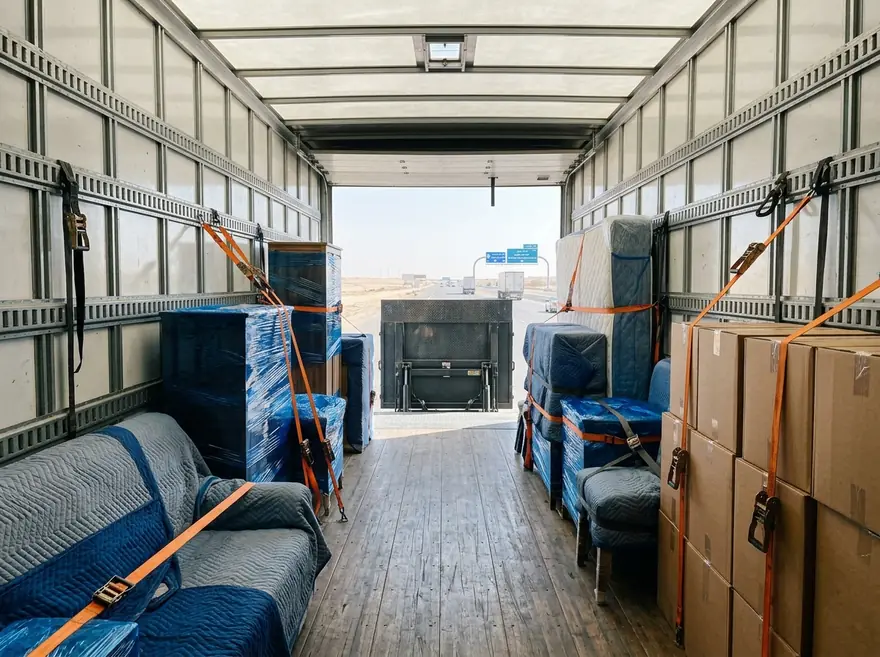
Practical situations that force temporary storage of furniture
The commonest situation is the gap in time between handing over the old home and receiving the new one. Finishing may be late in a villa you are moving to, you may be waiting for a lease to end or need days for painting and fitting before furniture comes in. In those cases temporary storage saves you from bringing furniture into a place that is not ready and exposing it to dust, paint and humidity.
There are other situations: a long trip for work or study, downsizing to a smaller space, renovating the current home with the need to clear rooms, and a temporary move between two cities. In each the duration differs, and so does the wrapping and protection needed: two weeks is not six months.
Questions to ask any storage service before handing over your furniture
Because furniture is a valuable possession, it is wise to know what you are dealing with before placing it anywhere. Ask about the place: is it closed and protected from leaks, humidity and insects? Is ventilation good? Is furniture placed on raised floors or pallets or directly on the ground? Are the pieces covered with breathable covers? Can you visit the place or retrieve a particular piece before the end of the period?
Ask about the contract too: how is the storage period calculated and renewed? What happens if collection is late? How is condition recorded at handover and at return? And who bears damage if it occurs? These are legitimate questions, and a serious provider welcomes them and answers clearly in writing.
- Is the place closed and protected from damp and leaks?
- How are pieces arranged and are they covered with breathable covers?
- How is the period counted and what about renewal?
- How is condition recorded at handover and return?
Protecting furniture in storage by type of piece
Each material has its own protection, and the importance rises the longer the period.
| Type of piece | Main risk | Protection method | Note |
|---|---|---|---|
| Wooden furniture | Humidity and cracking | Breathable cloth cover, drying and keeping it off the walls | Avoid tight plastic for long periods |
| Sofas and mattresses | Mould, dust and smells | Cleaning and drying then a protective cover that allows ventilation | Stand the mattress upright or on a raised surface |
| Electrical appliances | Humidity and rust | Emptying, drying, leaving doors ajar and moisture absorbers | Avoid stacking on top |
| Glass and mirrors | Breakage and scratches | Layer wrapping, rigid cardboard and standing storage | Away from traffic |
| Carpets and curtains | Insects and humidity | Cleaning, rolling and a breathable cover | Do not fold delicate carpets sharply |
| Small items | Loss and breakage | Numbered cartons and a written inventory | Heavy at the bottom and light on top |
This table is general guidance, and for special cases such as antique furniture or valuable pieces we recommend a specific assessment before storage.
How to prepare your furniture for storage step by step
An hour of preparation today saves days of repair after retrieval.
Clean and dry every piece
Let furniture be cleaned of dust and stains and dry fully before covering, because trapped moisture is the worst enemy of stored goods.
Dismantle what can be dismantled
Beds, wardrobes and large tables come apart to save space and reduce risk, and screws go in sealed bags taped to the pieces.
Wrap in suitable layers
Use thick breathable covers for furniture, bubble wrap for glass, rigid cardboard for mirrors and bags for pillows and mattresses.
Pack and label cartons
Number the cartons and record the contents of each in an inventory list, with heavy items at the bottom and gaps filled.
Photograph the condition
Photograph important pieces before handover to document their state, since photos are your reference if anything differs on return.
Keep a copy of the inventory
Ask for a copy of the written inventory, check that it matches what was handed over and keep it to compare on retrieval.
Things you should not put into storage at all
Some items harm others or cannot take the conditions, so leave them out from the start.
Flammable materials
Petrol, solvents, gas cylinders, paints and chemicals are dangerous and must not be stored with furniture.
Food and perishables
They attract insects and cause smells and mould, so do not include them however well packed.
Live plants
They need light and water and cannot stand long closure.
Valuables and documents
Gold, cash, official papers and medicines always stay with you.
Wet or undried appliances
Any appliance holding water or moisture must be fully dried before storage to avoid rust and mould.
Dammam and humidity: why storage here needs extra care
Dammam is a coastal city with high humidity for long stretches of the year, plus intense summer heat and dust on some days. These factors meet on stored furniture: humidity invites mould in mattresses, sofas and wood, heat may dry out timber and affect glue and hinges, and dust gets into fabric and devices.
So the place should be as well ventilated as possible and raised from the floor, breathable covers should be used rather than tightly sealed plastic for long periods, and moisture absorbers should be placed inside wardrobes and appliances. If the period is long it is wise to inspect the furniture from time to time where possible, since finding a problem early saves a large repair.
How we organise two trips: to the storage place and then to your new home
Storage means two trips: the first from your current home to the place, and the second from there to the new home, each requiring loading and unloading. So good wrapping and a written inventory are needed twice. You should agree the loading order for the first trip so that pieces come down in the store in a way that lets you reach what you may need first.
On the second trip the furniture is reloaded in the order it will be unloaded at the new home, so bedrooms and the kitchen come off first. It is better to plan the two trips together than to treat each as a separate case, saving time and cost and keeping the wrapping consistent.
An example: a family waiting for a villa to be finished in Dammam
A family of five has sold its flat and is waiting four weeks for a new villa to be finished. They have three bedrooms, a lounge, a kitchen and a dining room. They start by getting rid of old pieces, then clean and dry the furniture, dismantle beds and wardrobes and wrap them in breathable covers, pack belongings into numbered cartons with a written inventory and photograph the valuable pieces.
Everything is then carried in a closed truck to the storage place and arranged in order of use. When finishing is done the furniture is loaded in reverse order, so bedrooms and the kitchen come off first. In this way the family enters its new home with sound furniture and no paint dust, having saved weeks of worry.
- Clean, dry and dismantle before wrapping
- A written inventory and photos of valuable pieces
- Loading that eases access and retrieval
- Bedrooms and kitchen unloaded first at the new home
What sets the cost of storage and how to reduce it
The cost of storage is affected by the size of the load, the duration, the way it is arranged, how often you need access to the furniture, and whether you need transport to and from the store. The smaller the volume, the less is needed, so removing surplus pieces before storage lowers cost and effort. Dismantling furniture also saves space, and good wrapping reduces the risk of damage and what follows from it.
Do not forget to ask about the renewal period and the pricing method when the agreed period is exceeded, and whether there is a fee for entering to retrieve a piece. We state no fixed figures here because storage depends on your load and your period, and we will set out the lines in a written offer when you contact us.
Mistakes that make stored goods come out damaged
The first mistake is storing damp or undried furniture, so smells and stains appear after weeks. The second is covering pieces in tightly sealed plastic that traps moisture. The third is placing furniture directly on the ground. The fourth is neglecting the inventory so you do not know whether every piece came back. The fifth is storing dangerous or perishable items with furniture.
The sixth is failing to photograph the condition before handover, which makes later damage hard to prove. The seventh is neglecting a written agreement on duration and terms. Avoid these mistakes with simple preparation and clear documentation.
How we handle storage requests
We are Al Bayt Al Hadith for furniture moving in the Eastern Province, moving homes, apartments, villas and offices with multi-layer packing and dismantling and reassembly. We deal with requests for temporary furniture storage as part of the moving plan, and we do not state here the location, size or terms of the store, which are explained when you contact us according to your request and before any agreement.
Call or message us on WhatsApp at 0566300558 and send the number of rooms, the type of furniture and the expected period, and we will explain the available options and conditions for your request in a written offer.
Common questions about furniture storage in Dammam
General answers to help you plan; send your details and we will confirm what applies.
Do you offer furniture storage in Dammam?
How long can furniture be stored?
How do I protect wooden furniture from humidity?
Can I retrieve a piece before the period ends?
What should I do with electrical appliances?
Do I need an inventory list?
What items are not allowed?
Does two-way transport double the cost?
How do I request an offer?
Pages related to storage and moving
Services and guides that complete the planning.
Movers in Dammam
Main page for moving services in Dammam
Packing system
Multi-layer wrapping method
Furniture packing in Dammam
Multi-layer protection
Moving with packing in Dammam
Packing details
Villa movers in Dammam
Details of moving villas
Moving within Dammam
A one-day plan
Moving prices in Dammam
Cost factors
Request a quote
Send details and get an offer
Tell us the storage period and your load
Send the number of rooms, the expected duration and the type of furniture. To confirm that storage is available and on what conditions for your request, we will explain the details before any agreement.